
Ritual Intelligence Frameworks
Reveal the meaning hidden inside everyday behaviour to design experiences people value, protect, and repeat.
discover moreDiscover more about Ritual Intelligence
People rarely protect products or services simply because of what they do. They protect what those products and services help preserve: a sense of control, readiness, belonging, recognition, continuity, or meaning.
Ritual Intelligence helps organizations understand the repeated behaviours that shape people’s experiences with brands. While conventional research often examines individual actions or moments, our framework explores the complete sequence: what people do, the order in which they do it, the objects and symbols involved, and how the experience helps them move from one emotional or social state to another.
A commute. A game. A meal. A nightly routine. These experiences may look like ordinary habits, but some perform a much more important role. They help people prepare, connect, transform, or feel that an experience is complete. By revealing these rituals, we uncover what people are really protecting and why certain behaviours can be difficult to change.
Understanding the ritual
Rituals are rarely discovered by asking people about them directly. Most people simply say, “I like it this way” or “This is what I always do.”
Our Ritual Intelligence Framework combines multimodal ethnography, cultural intelligence, and ritual interpretation. This allows us to observe behaviour in context and understand the sensory details, sequences, transitions, and moments of friction that conventional interviews can miss.
We then identify the roles, identities, scripts, artifacts, and emotional shifts that give each ritual its meaning. The result is a deeper understanding of what the ritual makes possible and what could be lost if the experience changes.
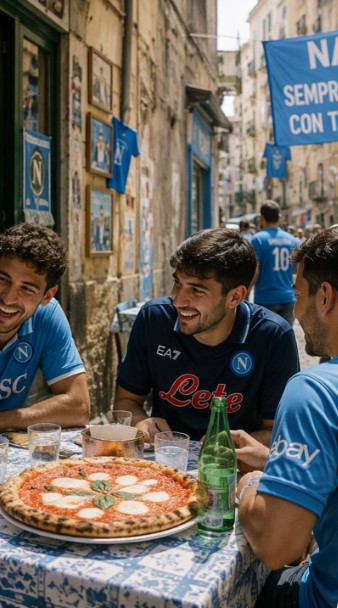
Designing brands into people’s lives
Once a ritual has been identified, we determine where a brand, product, or service already participates in it, where it creates friction, and where it has permission to play a more meaningful role.
This distinction is critical. Brands create value when they strengthen what matters within a ritual. They create resistance when they interrupt, complicate, or attempt to replace something people want to preserve.
Our framework translates these insights into practical opportunities for experience design, product innovation, loyalty, sponsorship, and fandom. It shows what should be protected, simplified, automated, strengthened, or redesigned to create an experience that feels meaningfully better rather than merely more efficient.
Human-led and technology-enhanced
Technology can help organize multimodal ethnographic material, reveal patterns across large bodies of information, and support the exploration of future scenarios. However, rituals are not explicitly labelled within the data. They must be interpreted through lived context, sensory detail, behavioural sequences, and an understanding of what makes an experience feel complete.
Our researchers lead this cultural and human interpretation. Once the ritual is understood, our team can help visualize future experiences and explore how products and brands could participate in them.
Ritual Intelligence delivers:
The Ritual Blueprint:
A complete map of the existing ritual, including its sequence, scripts, artifacts, emotional shifts, and underlying meaning.
The Ritual Stress Test:
Identification of the moments where friction, uncertainty, additional steps, or loss of control threaten the experience.
The Brand Permission Map:
A clear view of where the brand belongs, where it creates value, and where it risks becoming an interruption.
The Future-State Ritual:
A blueprint showing what should be preserved, removed, automated, strengthened, or redesigned.
Understand what people are protecting with their rituals yields highly relevant, actionable insight for companies, products, and brands.



more services

Market Segmentation Strategies
Develop effective, targeted strategies based on distinct, stable, and deeply motivating needs
Strategic Foresight & Innovation
Innovate and build resilience by expanding your assumptions to imagine multiple futures.
Human-centred Research & Innovation
Make smarter strategic decisions with our hub of hands-on experts at navATELIER.

Brand Health Strategies
Enhance brand health and optimize brand positioning with future-oriented metrics

Ritual Intelligence Frameworks
Reveal the meaning hidden inside everyday behaviour to design experiences people value, protect, and repeat.
Ethnographic Market Research
Discover people’s unmet and unstated needs by understanding their lives as they live them.
Brand & Portfolio Pricing Optimization
Optimize brand and pricing strategies with our highly predictive, pragmatic behavioural model that simulates real decision-making.
Consumer Behaviour Analysis
Encourage desired behaviour by understanding biases and barriers in decision-making.
Message Model™ Optimization
Optimize messaging with a predictive model leveraging the impact of communication elements

Consumer Journey Mapping
Visualize how people act, think, and feel during key interactions to improve and deepen engagement.

UX Research Solutions
Generate and optimize solutions by exploring all aspects of your business that customers interact with

Crowd Intelligence™ Concept Testing
Get more accurate results—for less cost—than traditional testing using the predictive power of crowds.

Comments are closed.